Quick answer
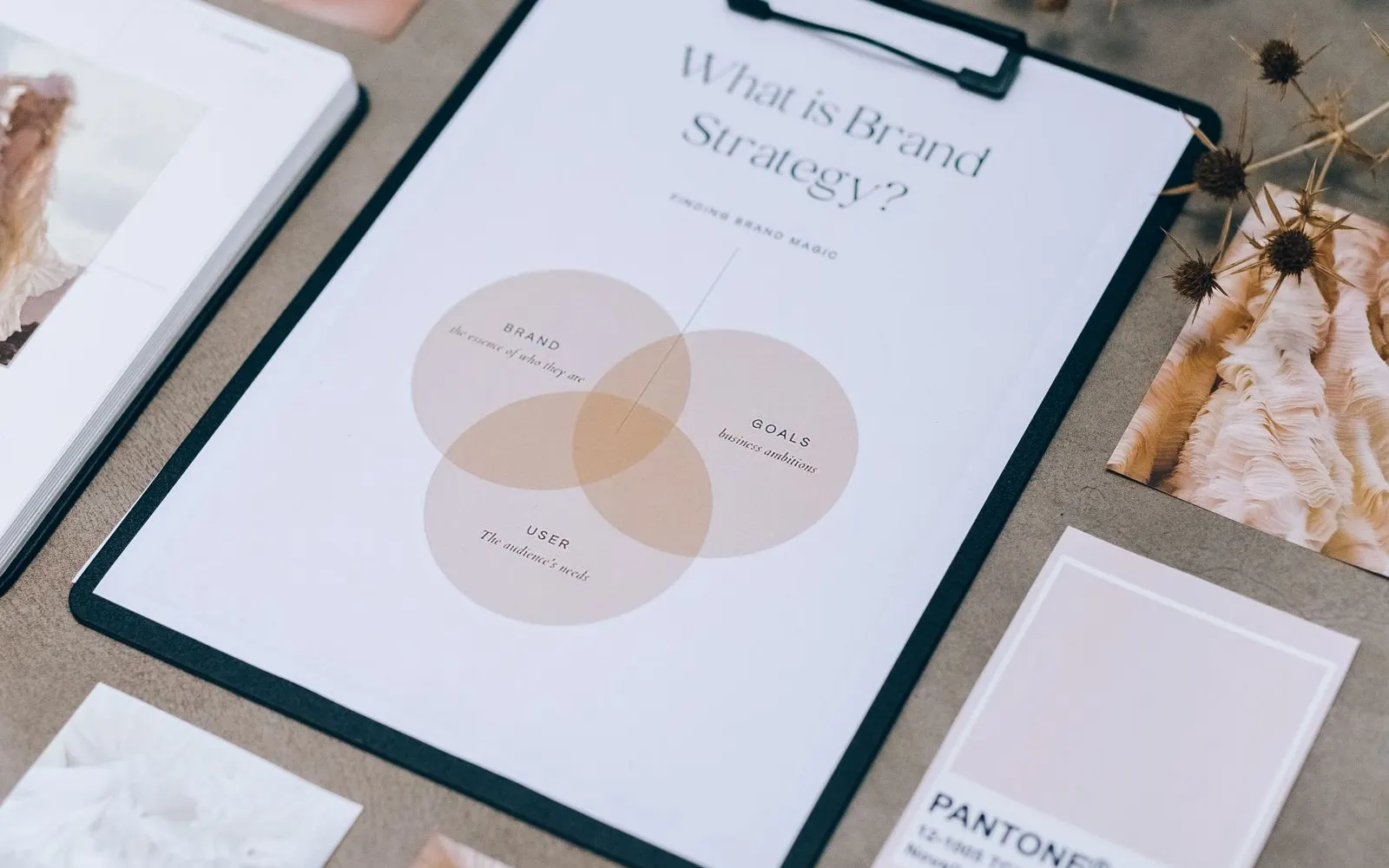
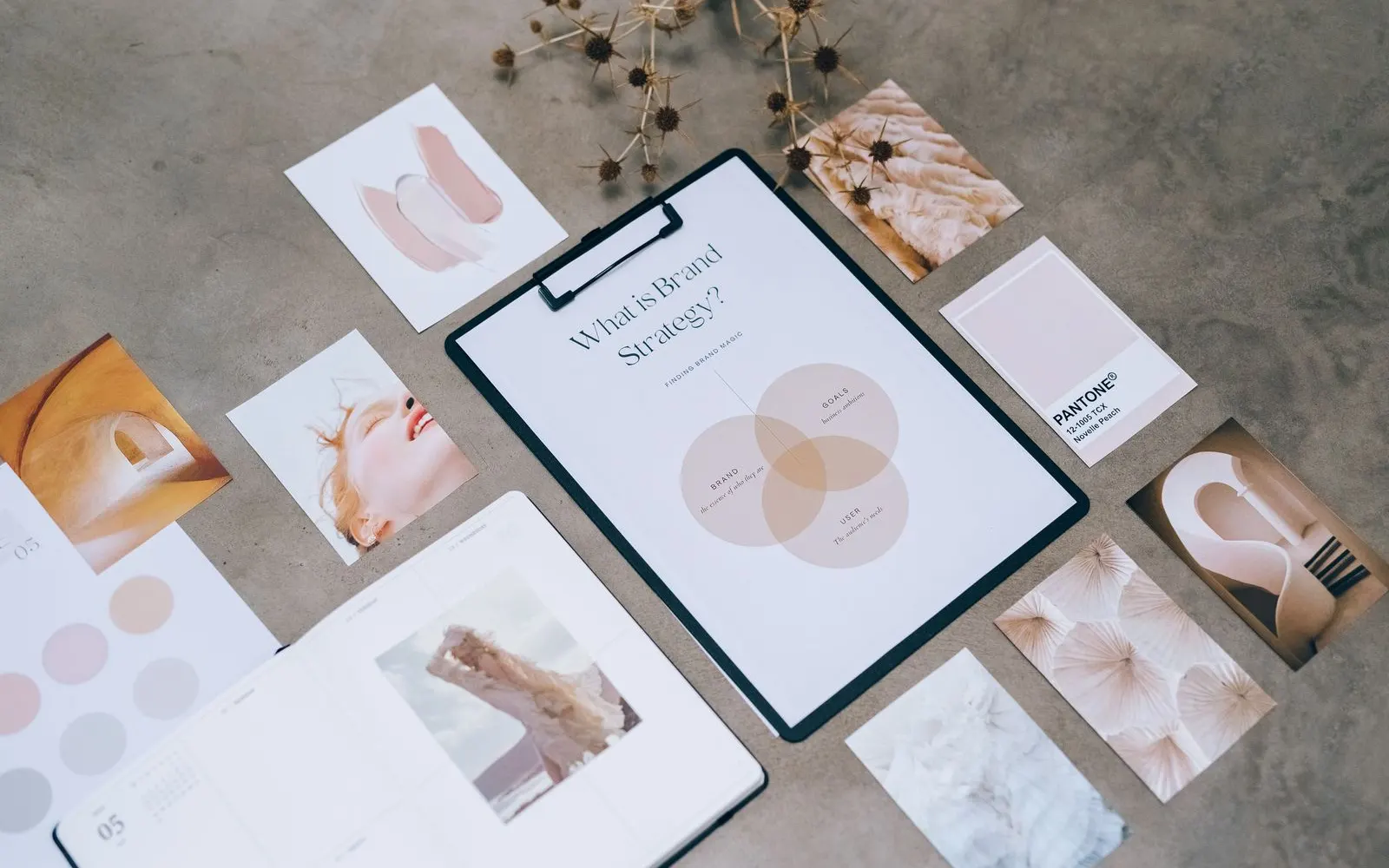
Branding is the overall impression people have of your business: your logo, colours, fonts, photos, tone of voice and how it feels to deal with you. For a small business, good branding makes you recognisable, builds trust before you've spoken to anyone, and helps you stand out from competitors who do similar work.
“Branding” gets thrown around a lot, often as shorthand for “logo”. It's actually doing much more work than that, and understanding the difference is useful if you're running a small business that wants to look as established as the quality of your work deserves.
What is branding?
Branding is the overall impression people have of your business. It's what they think and feel when they see your van, land on your website, scroll past your post or read your quote. Some of that you control directly through design and words; the rest comes from the experience of dealing with you.
A simple way to put it: your brand is what people say about your business when you're not in the room. Branding is the work of shaping that impression on purpose.
Branding vs logo vs brand identity
- Your logo is the mark or name design that identifies your business. It’s one piece of the puzzle.
- Your brand identity is the full visual and verbal toolkit: logo, colours, fonts, imagery style, icons and tone of voice.
- Your brand is the overall reputation and impression all of that adds up to, alongside how you treat customers.
You can have a great logo and still have weak branding if it's used inconsistently, or if everything around it looks thrown together.
What makes up a small business brand
Logo
The most recognisable piece. It should work at any size, from a van door to a social media profile picture, in colour and in one colour.
Colours
Two or three core colours used consistently become strongly associated with your business over time. Colour also sets the mood: calm and premium, bold and energetic, warm and friendly.
Typography
The fonts you use say a lot about your personality. One or two used consistently look far more professional than a different font on every flyer.
Imagery
The style of photos and graphics you use. Real photos of your work and team build more trust than generic stock images.
Tone of voice
How you write and speak: friendly and down-to-earth, expert and reassuring, or fun and informal. It should be the same on your website, social posts, emails and review replies.
The experience
How quickly you reply, how clear your quotes are, whether you turn up when you say you will. No amount of design can make up for a poor experience, but good design makes a good experience easier to see.
Why branding matters for small and trade businesses
In industries where lots of businesses do similar work, branding is often the thing that actually sets you apart. Two plumbers might offer almost identical services, but the one with a clean, consistent, professional presence looks like the safer choice to a nervous customer comparing quotes.
It builds trust before you've said a word. A well-put-together brand quietly signals that a business is established, reliable and takes itself seriously, which matters a lot when someone's deciding who to let into their home.
It also makes everything else work harder. Your website, social posts, flyers and van signage all reinforce each other when they look like they belong together, so people recognise and remember you faster.
And it can support higher prices. Businesses that look premium can usually charge accordingly, because customers associate a polished brand with quality work.
What a basic brand kit includes
For most small businesses, a practical brand kit covers:
- A main logo, plus a simplified version or icon for small spaces
- Logo files in the right formats for print, signage, web and social media
- Two or three brand colours with exact colour codes
- One or two brand fonts
- A short guide to using all of the above consistently
- Optional extras like social media templates, business cards and email signatures
Signs your branding needs some attention
- Your logo looks different depending on where someone sees it
- You don’t have set brand colours, so materials look inconsistent
- Your website, social media and printed materials don’t feel like the same business
- You’ve grown or changed direction, but everything still reflects who you were years ago
- Customers are surprised by the quality of your work because your branding undersold it
I go into the most common problems, and how to fix them, in five branding mistakes local businesses make.
How a brand identity gets designed
When I design a brand identity, it starts with understanding the business: who your customers are, what you want to be known for and who you're up against. From there I explore a few creative directions, refine the strongest one into a logo, colour palette and type system, and then show how it works on real things like your website, social posts and van. You end up with everything you need to use it consistently.
It doesn’t need to be a big project
Good branding isn't about elaborate design work. It's about consistency: the same logo, the same colours, the same tone, used everywhere, every time. Get that right and everything else, from your website to your van signage, starts working together instead of looking like separate pieces.
If you're not sure whether your branding is helping or working against you, I'm happy to take a look and give you an honest steer. See my branding and design services or get in touch.